Understanding Anxiety
Anxiety is among the most frequent reasons people seek mental health treatment, yet it remains deeply misunderstood by the general public. Anxiety is more than simple “worry”; t it is a constellation of multifaceted disruptions that can dictate your daily routines, interfere with your internal rhythm, and significantly drain your emotional reserves.
For some, these challenges are compounded by the “second shift” the mental and physical labor that begins immediately after the traditional workday concludes, particularly for women. When your day is a blur of responsibilities, finding the mental space to engage in meaningful healing can feel nearly impossible. Yet making time to heal- in whatever way works for you- is critical.
Understanding the Cycle of Anxiety
Anxiety is distinct from the common stress we all experience. It is a persistent, often pervasive state of apprehension that can paralyze one’s ability to live fully and authentically. While occasional “nerves” are an inherent part of the human experience, chronic anxiety creates constant cognitive background noise. a frequency that never quite hits “mute,” even when the day is done.
Common Manifestations of Anxiety:
- Cognitive: Persistent “what-if” loops, difficulty maintaining concentration, and a generalized sense of impending doom.
- Physical: A rapid heart rate, restlessness, shortness of breath, and the heavy toll of chronic fatigue.
- Behavioral: The avoidance of social situations, “procrastivity” (the act of completing minor tasks to avoid addressing deeper fears), and pervasive sleep disruption.
OCD: Moving Beyond the Stereotypes
OCD is frequently, and incorrectly, reduced to a mere desire for cleanliness or organization. In clinical reality, it is a demanding cycle of Obsessions (intrusive, unwanted thoughts) and Compulsions (repetitive behaviors or mental rituals performed in an attempt to neutralize the intense anxiety caused by those thoughts).
The OCD Cycle Often Includes:
- Intrusive Thoughts: Fears regarding contamination, potential harm to loved ones, or an agonizing need for extreme symmetry and order.
- Compulsive Rituals: Excessive checking (of locks or appliances), repetitive hand-washing, or mental rituals such as counting or “undoing” an intrusive thought with a positive one.
- The Time Trap: These rituals are not merely habits; they are time-consuming cycles that can exhaust an individual long before they reach their evening hours.
Why the Nighttime Spike Matters
Research suggests that women may internalize stress differently due to a complex combination of hormonal fluctuations, societal expectations, and the “mental load” inherent in managing a household. For many, symptoms of OCD and anxiety reach their peak at night. This is often the first moment in a twenty-four-hour cycle when an individual is no longer distracted by external demands, allowing internal fears to become more audible.
Evidence-Based Pathways to Relief
Recovery from these conditions is not necessarily about “stopping” thoughts, but rather about changing your relationship with them. At Therapy at Night™, our clinicians utilize proven, peer-recommended approaches:
- Cognitive Behavioral Therapy (CBT): Identifying and systematically reframing the thought patterns that fuel pervasive anxiety.
- Exposure and Response Prevention (ERP): Considered the “gold standard” for OCD treatment, ERP involves safely leaning into triggers while learning to resist the urge to perform rituals.
- Sleep Hygiene & Grounded Focus: Integrating mindfulness and nutrition to support a nervous system that has been operating on high alert.
How Therapy at Night™ Meets You There
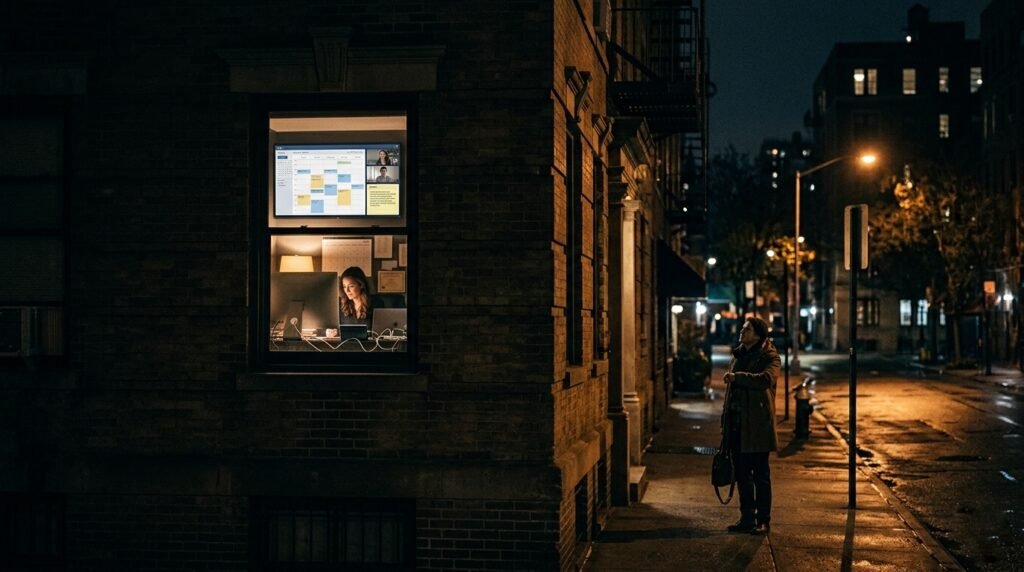
We believe that the most profound therapeutic breakthroughs occur when you are not rushing. Our network provides a sanctuary where you can bring your whole, unhurried self to the session—long after the daytime chaos has settled.
- Late Night (8:00 PM – 1:00 AM): Sessions designed for the “night owls” and those who find clarity in the stillness of the evening.
- Early Morning (5:00 AM – 9:00 AM): For those who prefer to address their mental well-being before the day’s responsibilities begin.
Our licensed therapists are vetted and “wired for the night,” offering the privacy and professional expertise you require on a schedule that finally respects the reality of your life.
Reclaim Your Quiet Hours
Living with the weight of anxiety or OCD is exhausting, but you do not have to navigate these cycles alone. Let us help you find a grounded focus and a path toward peace in the quiet of your own space.